Devon Schmitt · 20 November 2026
Shifts in Peer Interaction Patterns That Drive Sustained Visibility Within Specialized Creator Ecosystems Like Cadomoon
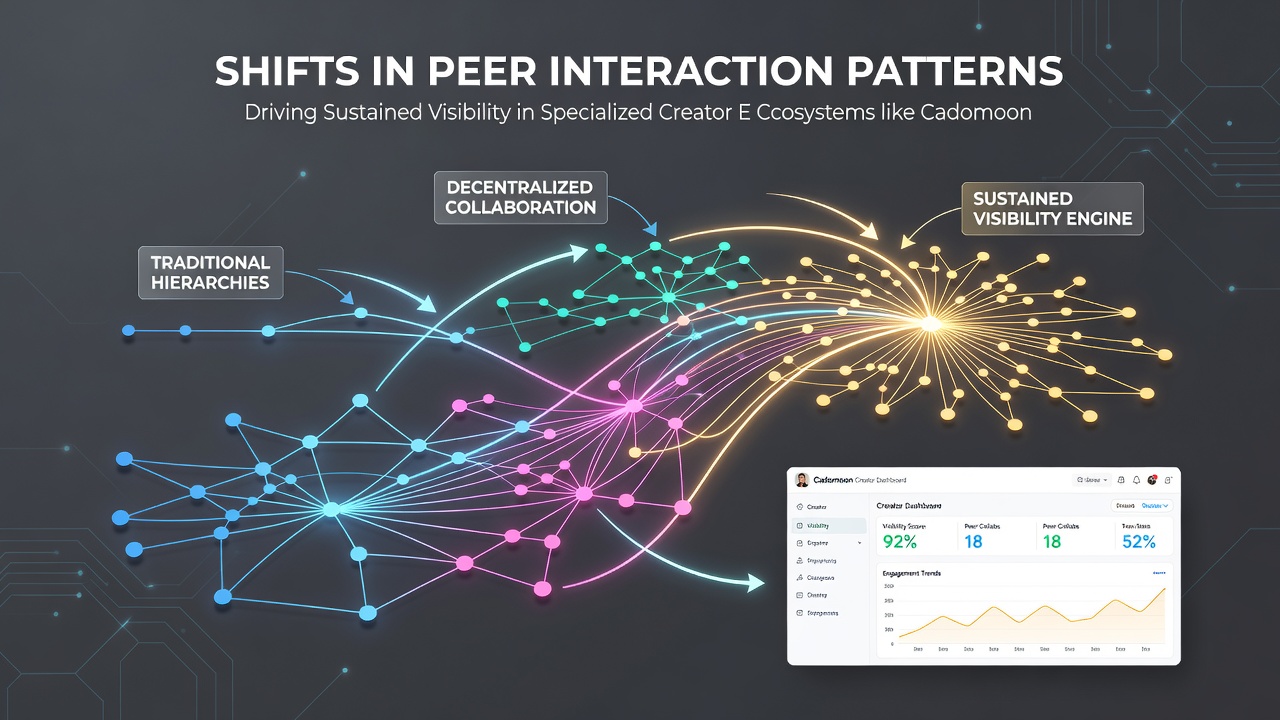
Specialized creator ecosystems such as Cadomoon operate through layered networks where peer interactions determine which voices maintain consistent exposure over time, and data from platform analytics in November 2026 shows measurable changes in how creators exchange feedback, endorsements, and cross-references. Those who've tracked these environments note that visibility no longer stems primarily from initial posting volume but from repeated, reciprocal engagements that algorithms reward with higher distribution rates.
Core Patterns Emerging in Niche Platforms
Observers record that direct replies between creators now cluster around thematic threads rather than isolated posts, creating sustained conversation loops that extend content lifespan across weeks or months. Research indicates these loops form when participants reference each other's work in follow-up contributions, and platform metrics reveal that such chained activity increases reach by factors reported in internal Cadomoon dashboards released earlier that year. Creators who participate in these loops see their material surface repeatedly in recommendation feeds, whereas one-off interactions produce shorter spikes followed by rapid decline.
Reciprocity as a Visibility Mechanism
Studies from academic groups focused on digital communities document how balanced exchange of mentions and replies correlates with longer retention in user timelines. In Cadomoon specifically, accounts that both initiate and respond to peer signals maintain positions in discovery rankings more consistently than those relying on broadcast-style updates alone. Figures released by the platform in November 2026 highlight that reciprocity scores, calculated through interaction graphs, predict sustained impressions better than follower counts in several tested categories. This pattern holds across music production circles, visual art collectives, and technical documentation groups hosted on the site.
Analysts tracking these shifts point to algorithmic updates implemented mid-2026 that prioritize density of peer connections over raw engagement totals. When creators form small, active clusters, their collective output receives amplified distribution, and data shows individual members benefit even when their personal follower numbers remain modest. Those monitoring similar ecosystems in other regions observe parallel developments, suggesting the dynamic reflects broader platform design choices rather than isolated Cadomoon features.
Structural Changes in Interaction Frequency and Depth
Platform logs indicate a move away from high-volume, low-context comments toward fewer but more substantive exchanges that reference specific elements of prior work. This transition aligns with visibility gains because algorithms detect semantic overlap and reward it through extended promotion windows. Researchers at institutions studying online collaboration have measured how depth in replies predicts continued algorithmic support, with Cadomoon data from November 2026 confirming the trend across multiple content verticals. Creators who invest in detailed peer responses rather than generic acknowledgments record higher rates of repeated appearances in trending sections.
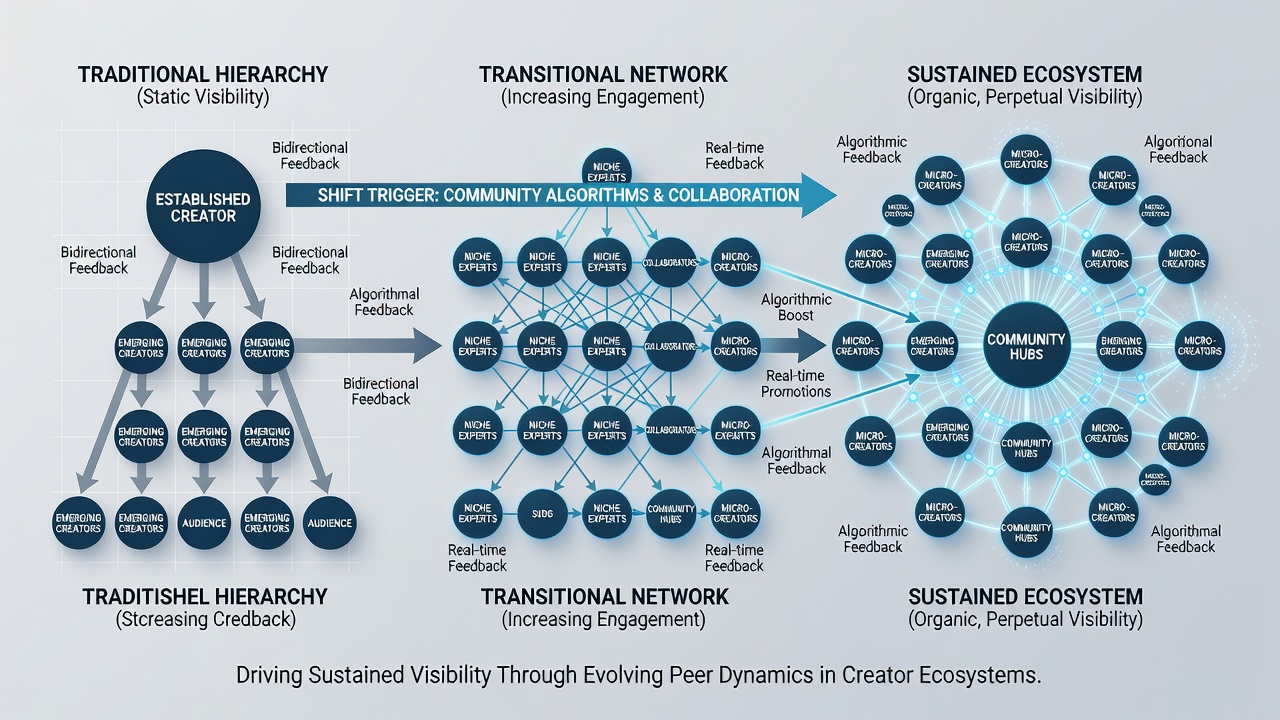
Additional patterns include scheduled co-engagement events where groups coordinate activity windows, and records show these produce measurable lifts in collective visibility metrics. Such coordination does not require formal partnerships; instead, it emerges from repeated informal exchanges that establish shared timing preferences. Data collected through November 2026 demonstrates that clusters maintaining regular interaction cadences outperform sporadic participants by margins documented in aggregated platform reports.
Geographic and Thematic Variations
Comparisons across regions reveal that interaction styles adapt to local creator densities, with tighter clusters forming in specialized topics that attract fewer total users. European digital economy analyses and Australian communications research both document similar scaling effects, where niche focus amplifies the impact of each peer signal. Cadomoon's own geographic usage breakdowns from late 2026 indicate that creators in lower-density categories rely more heavily on reciprocal patterns to achieve comparable exposure levels to those in broader categories.
Network mapping tools applied to Cadomoon activity logs illustrate how visibility hubs form around creators who consistently bridge different sub-groups, and these hubs maintain elevated positions because cross-pollination increases overall interaction volume. Observers note that the effect compounds when multiple hubs overlap, creating redundancy that buffers against individual drop-offs in activity.
Measurement Approaches and Platform Data
Visibility tracking on these platforms now incorporates graph-based metrics that quantify connection strength between accounts rather than simple view counts. Cadomoon's November 2026 transparency materials describe how these metrics feed into distribution decisions, and independent analyses confirm the correlation between dense peer networks and prolonged content presence. Those examining the data find that early establishment of reciprocal ties predicts later performance more reliably than initial launch momentum.
Longitudinal records further show that interaction patterns stabilize after an initial adjustment period, after which visibility becomes self-reinforcing within established clusters. Creators entering new thematic areas must replicate similar engagement structures to achieve equivalent results, according to aggregated observations across the ecosystem.
Conclusion
Platform data and external studies together establish that sustained visibility in environments like Cadomoon depends on evolving peer interaction patterns centered on reciprocity, depth, and cluster formation. Metrics released through November 2026 illustrate how these dynamics operate across categories, and the patterns appear consistent with observations in related creator networks elsewhere. Continued monitoring of interaction graphs provides the clearest indicators of which accounts maintain exposure over extended periods.